
Florida Springs
LOCAL FAVORITES
Florida Springs
The Best Florida Springs are just around the corner with over 700 to choose from around the state. Florida Springs gush out billions of gallons of water each day at a constant 72 degrees. Florida has some of the worlds most plentiful springs and largest spring known.
Visit the many beautiful springs located all around the Sunshine State. Bring your kids, family and friends but leave only footsteps to keep Florida State Parks and Florida Springs pristine.
People travel to Florida from all over the world for its amazing freshwater springs that provide great opportunites to explore and discover these hidden gems. Cool off in the hot Florida summer by swimming and snorkeling to observe some of the states most fasanating wildlife.
Get your mask or all your scuba gear ready to swim through underwater caverns of crystal clear water. Encounter manatees in certain springs at certain times of the year in Florida. It’s very rare to actually find a Florida Spring that allows swimming with the manatees.
Dive deep below the fabulous Florida Springs and make memories to last a lifetime. The wonderful and Natural Hot Springs in Florida are a must visit for those looking to relax and unwind.
The Best Florida Springs are known for swimming, kayaking, diving, wildlife watching, family fun and more.
Find the Best Florida Springs
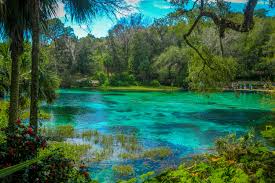
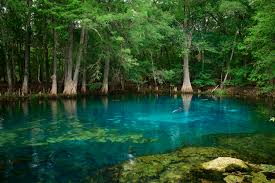
Swimming
- Wekiva Springs
- Wakulla Spring
- Jackson Blue
- Blue Springs
- Volusia Blue
- Fanning Springs
- Ichetucknee Springs
- Manatee Springs
- Rainbow Springs
Kayaking
- Rainbow Springs
- Ichetucknee Springs
Diving
- Peacock Springs
- Ginnie Springs
Wildlife Watching
- Wakulla Spring
Family Fun
- Weeki Wachee Spring
Glass Bottom Boats
- Silver Springs
CLOSEST SPRINGS TO DAVENPORT FL
- Lithia Springs Regional Park
- Distance From Davenport Fl – 1 hr 7 min about 60 miles
- Wekiwa / Wekiva Springs State Park
- Distance From Davenport Fl – 59 minutes about 51.8 miles
- Kelly Park / Rock Springs Run
- Distance From Davenport Fl – 56 min about 53.8 miles
- Blue Springs State Park
- Distance From Davenport Fl – 1 hr 20 min about 68.6 miles
- De Leon Springs State Park
- Distance From Davenport Fl – 1 hr 30 min about 82.3 miles
- Rainbow Springs State Park
- Distance From Davenport Fl – 1 hr 54 min about 112 miles
- Werner-Boyce Salt Springs
- Distance From Davenport Fl – 1 hr 45 min about 84.5 miles
NATURE, PLANTS & ANIMALS FOUND IN AND AROUND FLORIDA SPRINGS:
- Reptiles, Amphibians, Fish, Birds, Mammals
FIND THE BEST SPRINGS IN FLORIDA
In Florida, it’s estimated that two quadrillion gallons of water move through the Floridan aquifer, supporting springs and the residents of Florida. Human activities impact the quality and quantity of water in the aquifer and ultimately in the springs.
- Boating & Tubing
- Camping & Picnicking
- Swimming & Snorkeling
- Scuba Diving & Cave Diving
- Guided Tours & Special Events
- Nature Photography & Wildlife Observation
Alexander Spring Recreation Area
Alexander Springs is the only first magnitude spring within the Ocala National Forest, yet it is easy to explore and enjoy.
Blue Grotto Dive Resort
Blue Grotto is primarily a SCUBA diving destination, featuring a large clear water cavern located in a sinkhole (karst window).
Blue Spring
Blue Spring is the largest spring on the St. Johns River and a crucial winter refuge for manatees.
Blue Springs (Gilchrist County)
Blue Springs is a second-magnitude spring which discharges north to the Santa Fe River.
Blue Springs County Park (Levy County)
Blue Springs is a favorite local swimming hole with spring waters abounding from a series of sand boils.
Crystal River National Wildlife Refuge
This last unspoiled and undeveloped habitat in Kings Bay, the headwaters of the Crystal River, is critical for protection of the West Indian Manatee. The springs in the bay, with their constant 72 degree Fahrenheit water, provide essential warm water refuge for the manatees that congregate there in the winter months.
De Leon Springs State Park
This second-magnitude spring has seen its share of Florida history. First, Native Americans left burial mounds, a shell mound, and a 6,000-year-old canoe sunk in the spring.
Devil’s Den Springs
Devil’s Den is primarily a SCUBA diving destination where divers travel in an underground spring inside a dry cave in central Flroida.
Falmouth Spring Recreation Area
Falmouth Spring is a first-magnitude spring flowing about 160 cubic feet per second. It is located within a 276-acre recreation area managed by the Suwannee River Water Management District. The majority of the area is sandhill and upland mixed forest, with some slash pine.
Fanning Springs State Park
Fanning Spring is a borderline first -magnitude spring, with clear bluish water. The spring pool is about 207 feet by 144 feet, and the main funnel-shaped vent is about 20 feet deep. Several other small seeps create sand boils and trickle into the spring pool from limestone outcroppings on one end. This is a very popular spring for families, with shallow sandy areas, a floating dock, and a platform for jumping into the deepest water above the vent.
Florida Caverns State Park
This is one of the few state parks with dry (air-filled) caves and is the only state park in Florida to offer cave tours to the public. Important cave fauna in the park include colonies of 2 bat species (1 endangered), as well as blind cave salamanders and crayfish in a water-filled cave.
Ginnie Springs Outdoors
The clear, bluish water of Ginnie Spring and several other springs in the Ginnie Springs Recreation Area have attracted visitors for generations. Ginnie Springs Outdoors is located approximately 6.5 miles northwest of High Springs, on the south side of the picturesque Santa Fe River.
Hart Springs County Park
With one of the area’s largest swimming facilities, Hart Springs County Park is park designed for families with plenty of amenities and activities to enjoy.
Ellie Schiller Homosassa Springs Wildlife State Park
This unique state park is one of several old Florida tourist attractions that were built around first-magnitude springs. The main attraction is the Florida manatee.
Ichetucknee Springs State Park
The crystalline Ichetucknee River flows six miles through shaded hammocks and floodplain forests before it joins the Santa Fe River. The upper 3.5-mile stretch of the river is protected in the state park and contains eight major springs, each with its own charm.
Jackson Blue Spring Recreation Area
Jackson Blue Spring is the heart of this county park, located approximately five miles east of Marianna. An average of 77 million gallons a day flows from the spring, which is the main source of water to a 202-acre reservoir known as Merritt’s Millpond, a nationally known fishing and locally popular boating area.
Juniper Springs
Juniper Springs Recreation Area in the Ocala National Forest is one of the oldest and best known recreation areas on the East Coast.
Kelly Park / Rock Springs Run
A favorite park for tubing, Kelly Park features a free-flowing natural spring and Rock Springs a clear, swift creek.
Lafayette Blue Springs State Park
Lafayette Blue Springs is one of the 33 first-magnitude springs in Florida and discharges at a very variable rate, ranging from approximately 13 million to 168 million gallons per day. When the Suwannee River floods the spring vent, which happens fairly frequently, it can become a siphon. The Head Spring pool is approximately 100 feet long, 60 feet wide, and 20 feet deep, at the base of a limestone outcrop.
Lithia Springs Regional Park
The 160-acre park, located on the Alafia River, offers varied plant communities, river cypress swamps, hardwood hammocks.
Madison Blue Spring State Park
Located in one of Florida’s newest state parks, this crystal-clear, first-magnitude spring is a popular swimming hole. The spring pool is a small limestone basin about 72 feet by 82 feet wide and 24 feet deep, on the west bank of the scenic Withlacoochee River.
Manatee Springs State Park
Manatee Springs is one of Florida’s largest springs, averaging 117 million gallons of water daily, and is a National Natural Landmark.
Morrison Springs Park
Morrison Springs is one of the most popular diving spots in northwest Florida and is well-known throughout the southeast. The large, sandy-bottomed spring is surrounded by a 161-acre park that is managed by Walton County.
Otter Springs
Otter Springs is a second-magnitude natural spring with a near-constant temperature of 73 degrees and 10 million gallons of sparkling pure water flowing daily into the Suwannee River. The spring is surrounded by a 636-acre park and campground managed by Gilchrist County. The spring pool and shallow, sandy spring run in a natural setting invite swimming, snorkeling, photography, nature study, hiking, birding, and fishing.
Wes Skiles Peacock Springs State Park
Peacock Springs is an international destination for recreational cave diving. The park has two second-magnitude and one third-magnitude springs and 6 sinkholes—all in near-pristine condition and deep in the surrounding forest. All three springs can flow backwards when the Suwannee River floods.
Pitt Spring Recreation Area
Pitt Spring is just one of many springs along Econfina Creek and one of the most popular in the area for recreation. The water from this 11-foot-deep spring vent emerges from beneath a submerged limestone ledge into a 40-foot-diameter pool, and then flows through a short 50-foot run to the creek.
Poe Springs Park
Poe Springs is just around the corner from the lively little town of High Springs, in Alachua County, just up the road from Gainesville. Poe Springs pumps an average of 45 million gallons of cool, refreshing water daily. Alachua County manages the park.
Ponce de Leon Springs State Park
This beautiful spring is named for Juan Ponce de León, who led the first Spanish expedition to Florida in 1513 – as legend has it – in search of the “Fountain of Youth”. Visitors might well regain their youth by taking a dip in the clear waters where the temperature is a shocking 68 degrees F. year-round.
Rainbow Springs State Park
Rainbow Springs is Florida’s fourth largest spring and is designated a National Natural Landmark. The surrounding land is high and rolling, providing picturesque vistas of the spring surrounded by forest. The spring pool is large (250 feet wide) and shallow, with especially clear blue water flowing over the beds of green aquatic plants and brilliant white limestone and sand.
River Rise Preserve State Park
The Santa Fe River goes underground in O’Leno State Park and reappears more than 3 miles away in River Rise Preserve before resuming its journey to the Suwannee River. Research has shown that the water discharging from the Rise includes a large amount of new ground water as well, leading some to classify the Rise as a first-magnitude spring. Cave divers have partially explored the conduit between the Sink and the Rise. This natural land bridge is punctuated with numerous sinkholes and lakes.
Salt Springs
Salt Springs Recreation Area is one of the recreational jewels of the Ocala National Forest. The recreation area is located in the lush, semi-tropical setting of central Florida.
Silver Glen Springs
The clear blue water and bubbling sand boils of Silver Glen Springs is a stark contrast to the surrounding Big Scrub in the Ocala National Forest.
Silver Springs State Park
The natural beauty of Silver Springs has attracted visitors from around the world since the mid-19th century. Silver Springs, one of the largest of Florida’s 33 first-magnitude springs, is made up of a group of springs that occur in the headwaters, coves, and edges of the Silver River. The Silver River is the largest tributary on the Ocklawaha River.
Suwannee River State Park
Suwannee River State Park is situated where the Withlacoochee River joins the Suwannee River on its way to the Gulf of Mexico. Within the view of the confluence is Suwanacoochee Spring, a single-vent, second-magnitude spring on the southwest bank of the Withlacoochee.
Suwannee Springs
Suwannee Springs is a featured recreation site managed by the Suwannee River Water Management District. Visitors can swim in the springs, picnic, and enjoy the snow white river sand bars of the Suwannee River.
Troy Spring State Park
Located on the Suwannee River, this 80-acre park is a hidden gem in rural north Florida. Troy Spring consists of multiple spring vents and vertical limestone walls, surrounded by higher ground 18 feet above the water’s surface.
Vortex Spring
The star of Florida’s Gulf Coast premier inland dive resort is Vortex Spring. The spring produces 28 million gallons of crystal-clear water daily at a year-round temperature of 68 degrees F. Depths in the spring basin range from about 50 feet for a cavern dive and up to 115 feet for a cave dive.
Edward Ball Wakulla Springs State Park
Wakulla Spring is one of the largest springs in the world, discharging an average of 260 million gallons of water per day. The spring pool is an impressive 315 feet in diameter, and the huge vent is about 82 feet wide, 50 feet high, and 185 feet deep. That’s just the start of its superlatives!
Warm Mineral Springs
Warm Mineral Springs is the only warm water mineral spring in the State of Florida, and is the largest water mineral spring in the world. The surface area of the spring is a round pond, it is 1.4-acre in circumference and reaches depths of nearly 250 feet deep in the center.
Weeki Wachee Springs State Park
This historic and world-renowned tourist attraction features Weeki Wachee Spring, 1 of Florida’s 33 first-magnitude springs. The spring, plus a second-magnitude spring in the park and several smaller springs outside the park, combine to form the 7-mile-long Weeki Wachee River.
Wekiwa Springs State Park
Wekiwa Springs is a second-magnitude spring that is joined within a half-mile by the smaller run from Rock Springs to form the headwaters of the 17-mile-long Wekiva River, a tributary of the St. Johns River.
Werner-Boyce Salt Springs State Park
This Pasco County state park comprises 3,296 acres, including 4 miles of coastline, and more than 80 percent is marsh or submerged acres.